
In 2025, speakers are more than just tools for playing music — they’ve become essential gadgets that connect our homes, entertain us, and even help manage our daily routines. But with so many options on the market, one question still comes up again and again: should you buy a smart speaker or a Bluetooth speaker?
Let’s break down the differences, strengths, and ideal uses of each to help you decide what’s right for you.
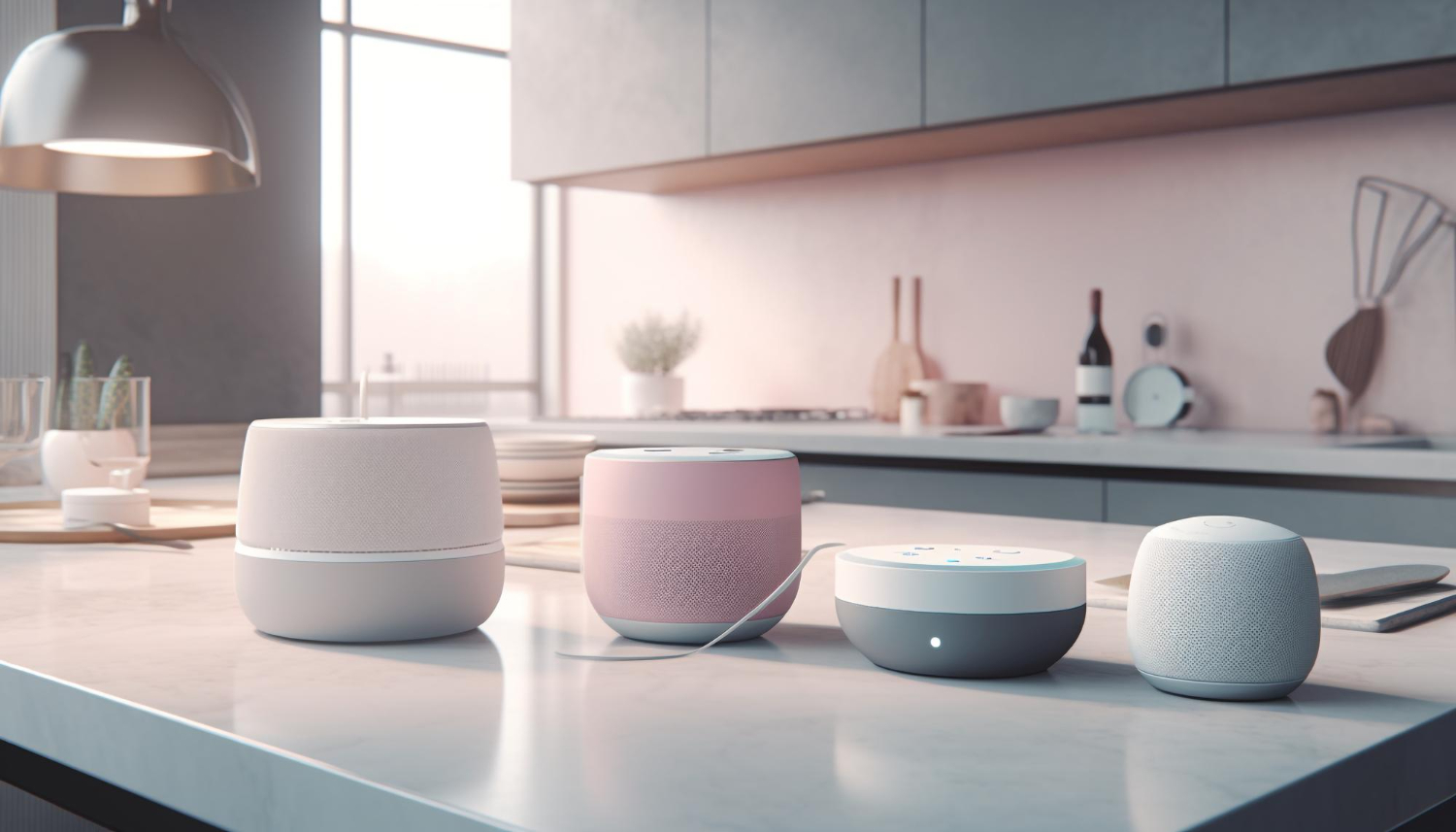
Smart Speakers — like the Amazon Echo, Google Nest Audio, or Apple HomePod — are Wi-Fi–enabled devices with built-in voice assistants. They do more than play music: they can control your smart home devices, answer questions, give you the weather, set reminders, and integrate with streaming services — all hands-free.
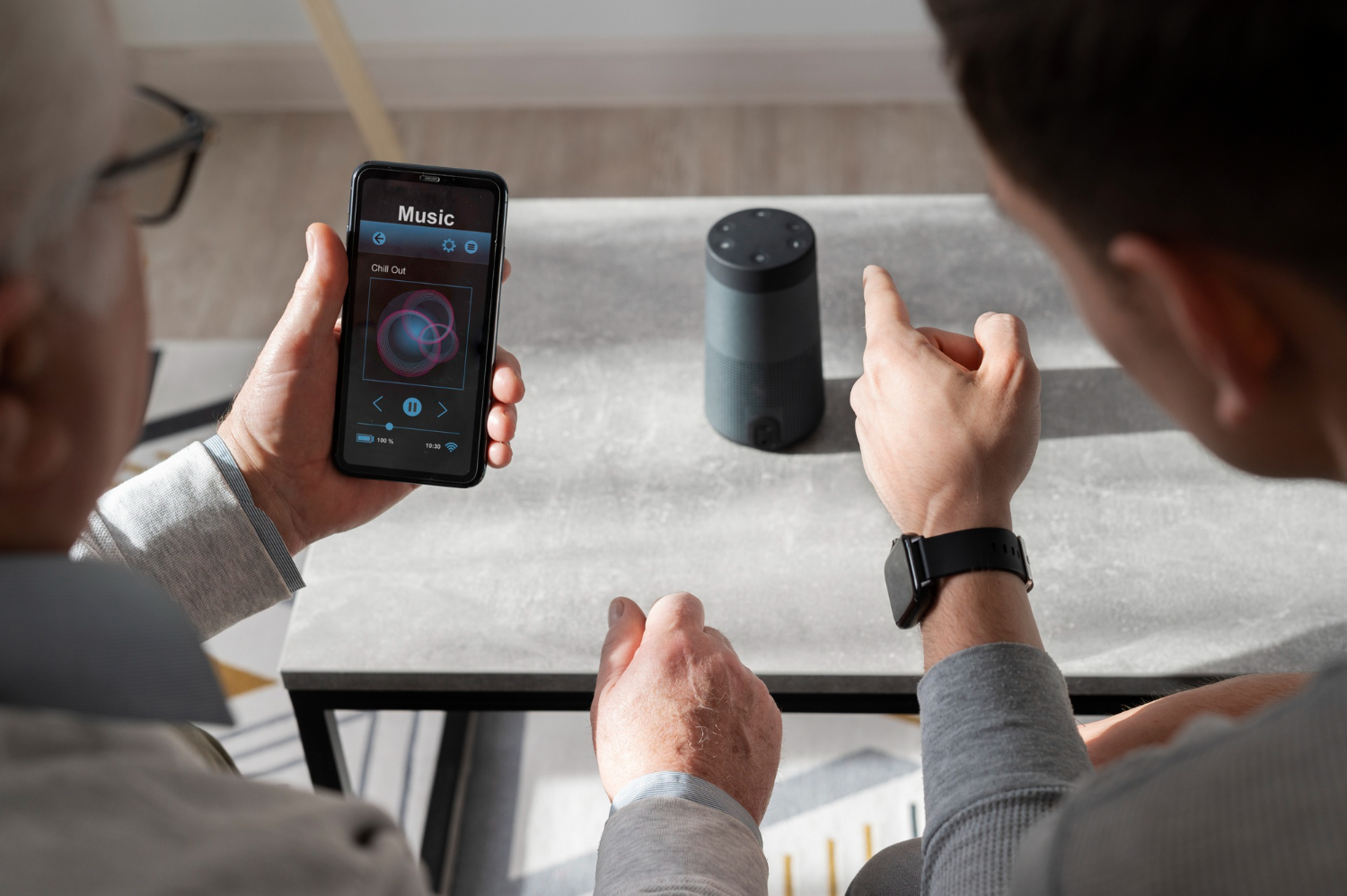
Bluetooth Speakers, on the other hand, are all about simplicity and portability. They connect directly to your phone, tablet, or laptop via Bluetooth, letting you stream audio without needing Wi-Fi. They’re ideal for travel, outdoor gatherings, or anyone who wants great sound on the go.
Both types can deliver impressive audio, but they shine in different ways:
🎧 Smart Speakers often have richer sound quality, enhanced by AI-driven tuning and multi-room audio setups. Some even adjust to your room’s acoustics automatically.
🔊 Bluetooth Speakers have improved drastically in recent years, with brands like JBL, Bose, and Sony offering deep bass and crisp clarity — all from a portable package.
If you’re after immersive home sound, smart speakers take the lead. If you need music anywhere, Bluetooth wins.
Smart speakers thrive in connected homes. They integrate seamlessly with smart lights, thermostats, and security cameras — making them a great fit for anyone building a smart ecosystem. However, they require Wi-Fi and sometimes a companion app.
Bluetooth speakers are plug-and-play — no internet, no fuss. Just pair and play. This makes them more reliable when you’re offline or in areas with poor Wi-Fi coverage.
Smart speakers constantly listen for wake words like “Hey Google” or “Alexa.” While most brands include mute buttons and privacy settings, some users are still cautious about having an always-listening device at home.
Bluetooth speakers don’t collect data or respond to voice commands, so if privacy is your top concern, they’re the safer choice.
If you’re always on the move, Bluetooth speakers are unbeatable. They’re battery-powered, lightweight, and often waterproof — perfect for beach trips, picnics, or hikes.
Smart speakers, meanwhile, are typically stationary and powered through outlets, designed to live on your shelf or desk rather than travel with you.
Smart Speakers: $50–$400 depending on features (voice assistant, sound quality, smart home integration).
Bluetooth Speakers: $30–$300 depending on size, durability, and brand.
You’re essentially choosing between smart convenience and mobile freedom — so the right one depends on your lifestyle.
| Your Priority | Best Choice |
|---|---|
| Smart home control | Smart Speaker |
| Portability | Bluetooth Speaker |
| Offline use | Bluetooth Speaker |
| Voice commands & automation | Smart Speaker |
| Privacy | Bluetooth Speaker |
| Multi-room sound | Smart Speaker |
If you love the idea of controlling your home with your voice, listening to music hands-free, and staying connected, a smart speaker is the perfect addition to your setup.
If you want simple, reliable, and portable sound for life on the go, a Bluetooth speaker will give you everything you need — without strings (or Wi-Fi) attached.
No matter which you choose, both have come a long way — and in 2025, there’s truly no wrong answer, only what fits your lifestyle best.